End-to-End Program Management

Program Planning and Formulation
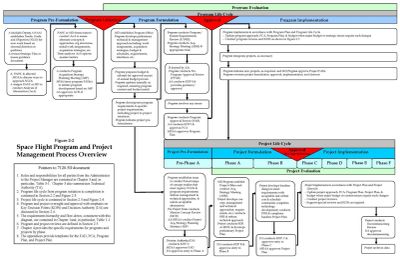
STI has a demonstrated history of supporting large-scale Federal programs through all phases of formulation and baseline development. The company applies disciplined project engineering and systems management processes to establish and maintain the foundational elements necessary for successful program execution, including:
- Project and program scope definition
- Organizational definition and planning
- Program and project management plan development
- Budget formulation and resource planning
- Integrated Master Schedule (IMS) development and maintenance
- Work Breakdown Structure (WBS) and WBS Dictionary development
- Financial Breakdown Structure (FBS) development
- Organizational Breakdown Structure (OBS) development
- Requirements development and flow-down
- Integrated Program Baseline planning
- Performance measurement framework development
- Program governance and management process definition
- Entrance, exit, and success criteria development for major reviews and milestones
STI personnel have performed or currently support NASA program offices as Programmatic Subject Matter Experts, providing integrated planning, budget development, workforce planning, schedule development, cost and risk analysis, WBS/FBS/OBS development, and program planning guidance throughout the complete program life cycle. The company has extensive experience developing programmatic products that support strategic decision-making, baseline establishment, and stakeholder accountability while ensuring compliance with Federal planning and reporting requirements.
Program Execution, Performance Tracking, and Reporting
Beyond formulation, STI provides comprehensive program execution support focused on maintaining alignment between technical, cost, schedule, and organizational commitments. Core execution capabilities include:
- Program Planning and Control (PP&C)
- Cost, schedule, and performance analysis
- Performance monitoring and reporting
- Program integration and coordination
- Milestone planning and execution
- Workforce planning and management support
- Program assessments and special studies
- Executive-level briefing development
- Program status reporting
- Corrective action analysis and recommendations
- Stakeholder engagement and management communications
As part of NASA's Ares/Constellation, Space Launch System (SLS), Mars Ascent Vehicle and Human Landing System programs, STI has developed and delivered integrated monthly performance reports, executive summaries, management briefings, white papers, and strategic assessments used by Program Offices, Center leadership, and external oversight organizations. STI personnel routinely evaluate technical, fiscal, schedule, and programmatic performance to identify risks, trends, corrective actions, and opportunities for improved program execution.
Risk Management
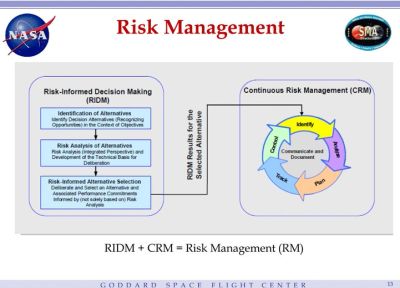
STI currently performs risk management services under active NASA task orders and has extensive experience integrating risk management into both program formulation and execution activities. Capabilities include:
- Risk identification and characterization
- Risk impact and likelihood assessments
- Risk mitigation planning
- Quantitative Risk Analysis (QRA)
- Programmatic risk assessments
- Cost and schedule risk evaluations
- Risk reporting and status tracking
- Management decision support
- Corrective action planning
As part of PPC and SME Task Orders, STI personnel serve as Program Risk Analysts, supporting risk-informed decision making through analysis of cost estimates, schedules, management plans, and program performance data.
Configuration & Data Management
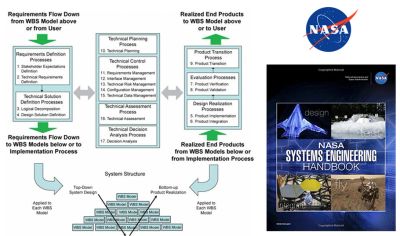
Configuration and Data Management (CDM) is a current and longstanding STI capability. STI supports the establishment, maintenance, and control of program and system baselines throughout the full system life cycle, including:
- Functional, Allocated, and Product Baseline management
- Configuration identification and control
- Configuration status accounting
- Data management planning and implementation
- Documentation control
- Change management processes
- Configuration audits and assessments
- Technical baseline integrity management
- Review documentation management
STI's configuration management expertise spans the complete lifecycle from Mission Concept Review and System Requirements Review through Functional Configuration Audits and operational sustainment activities.
Life Cycle Review Planning & Execution
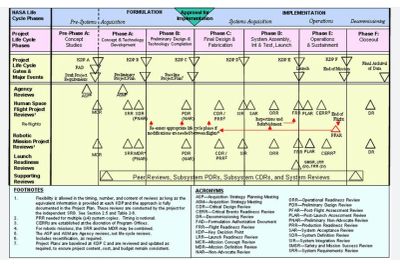
Life Cycle Review (LCR) expertise is one of STI's most significant differentiators. STI personnel have served as NASA Life Cycle Review Technical Leads supporting major launch vehicle development programs, including the Space Launch System (SLS) Program and associated projects. Responsibilities have included:
- Life Cycle Review planning and management
- Key Decision Point (KDP) preparation and execution
- Milestone review planning and coordination
- Entrance and success criteria development
- Review tool design and administration
- Review item discrepancy tracking and closure
- Systems management analysis
- Program decision support
- Audit and review preparation
- Executive review briefings and documentation
STI has supported milestone reviews and key decision processes used to guide program and project advancement through NASA's life cycle management framework. The company has also developed and maintained databases and management tools used to administer life cycle reviews and track review actions to closure.